
For Adults 35+ Who Want to Look, Feel, and Age Their Best
LOSE EXCESS FAT.
BUILD MUSCLE.
AGE STRONGER.
Learn a practical approach to nutrition and resistance training designed to help you lose excess fat, build muscle and feel your best—without making fitness consume your life.
- Step-by-step guidance
- Train at home or in the gym
- Designed for busy adults
YOU'VE DONE WHAT YOU WERE TOLD
You've Tried Eating Less. You Have Tried Exercising More.
So why aren't you getting the results you expected?
You followed the advice. You cut back on food. Counted calories. Tried another diet. Became more active. Maybe you joined a gym, added cardio, or started lifting weights.
Yet the excess fat is still there. Your body doesn’t look the way you want it to. You may feel weaker, less energetic, and increasingly frustrated that all that effort isn’t producing the transformation you expected.
The problem isn’t that you haven’t tried.
You may simply have been given an oversimplified formula for a much more complicated challenge.
EAT LESS
Still hungry.
DO MORE CARDIO
Still carrying excess fat.
TRAIN HARDER
Still not seeing the body you want.
TRY ANOTHER DIET
Back where you started.
What if the answer isn't simply eating less and exercising more—but understanding what's happening inside your body?
UNDERSTAND YOUR BODY FIRST
What Happens In Your Body When You Eat Matters.
Food doesn't simply enter your body as a number of calories.
Different nutrients trigger physiological processes that determine how those nutrients are used, stored and made available for energy. One of the key hormones involved in that process is insulin.
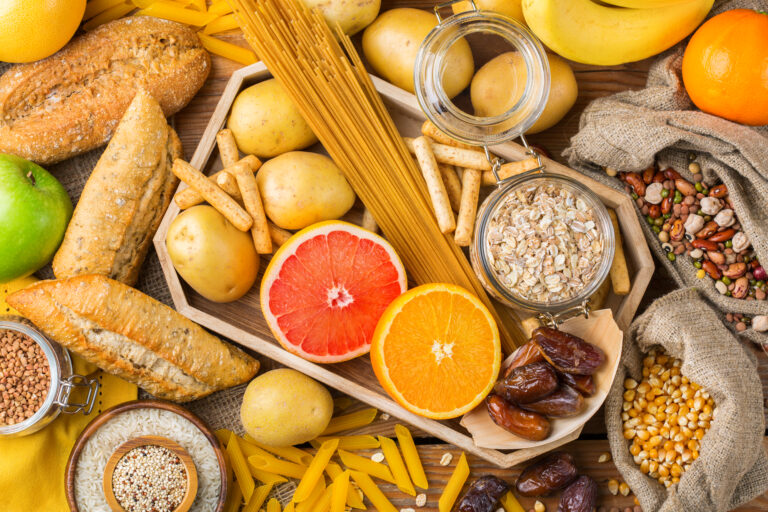
Carbohydrates are digested and glucose enters the bloodstream.

As blood glucose rises, the pancreas responds by increasing insulin secretion.

Insulin helps glucose enter cells, where it can be used for energy or stored for later.
Glucose can be stored as glycogen, particularly in the liver and muscles. When carbohydrate exceeds immediate energy needs and glycogen-storage capacity, excess carbohydrate can be converted to triglycerides and stored as fat.
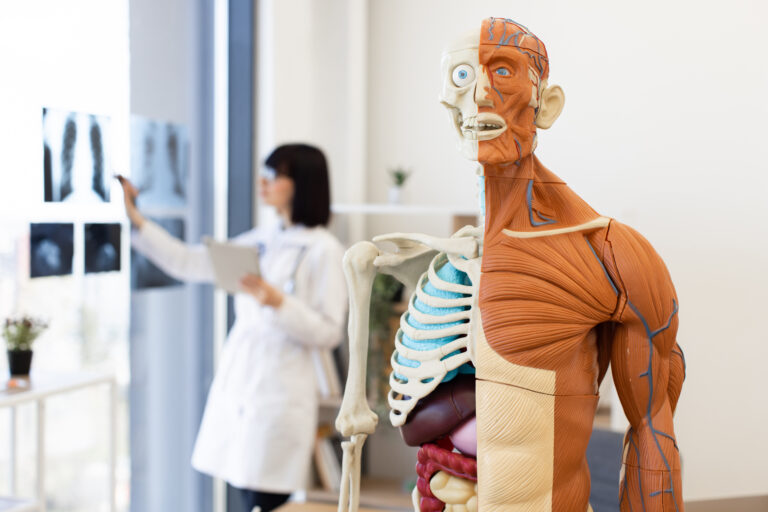
BUT THERE'S ANOTHER PART OF THE STORY
How Well Does Your Body Respond to Insulin?
Insulin can only do its job effectively when the body's tissues respond appropriately to it.
This responsiveness is commonly described as insulin sensitivity.
When tissues become less sensitive to insulin, the body needs a greater insulin response to help regulate glucose. If this progresses far enough, it is known as insulin resistance.
For some people, the way the body handles glucose can become less efficient over time.
As insulin sensitivity decreases, the body may compensate by producing more insulin to maintain glucose control.
Insulin Does More Than Manage Glucose
Insulin also influences whether energy is being stored or mobilized.
When insulin is elevated, it promotes nutrient storage. When insulin levels fall, the body's access to stored fat increases.
This Is Why Muscle College Looks Beyond Calories Alone
Calories tell you how much energy food contains.
They don't tell you the whole story of what happens after you eat it.
We also pay attention to what you eat, how it affects glucose and insulin, and whether your body is being encouraged to rely primarily on incoming glucose or gain greater access to stored fat for energy.
The goal isn't to fight insulin. Insulin is essential.
The goal is to create a nutritional environment that allows insulin to spend more time at lower levels.
That's where the Muscle College approach begins.
THE MUSCLE COLLEGE APPROACH
Stop Fighting Your Body. Start Working With It.
Muscle College uses a different starting point.
Instead of beginning with calorie restriction and trying to force your body to lose fat, we begin by changing the nutritional environment in which your body is operating. The first goal is to reduce the constant dependence on incoming glucose and create conditions that allow the body to rely more readily on stored fat for energy.
Things You Need
- Spare tire
- Car manual
Tools You Need
- Jack
- Lug wrench
Instructions
Park and secure your vehicle
Pull over to a safe, flat area away from traffic. Turn on your hazard lights, place emergency warning triangle if available and engage the parking brake to prevent any movement while changing the tire.

Loosen the lug nuts
Before lifting the car, use a lug wrench to slightly loosen each lug nut by turning it counterclockwise. Don’t remove them completely yet—just break the resistance.

Raise the car with a jack
Place the jack under the vehicle’s designated lift point near the flat tire. Carefully raise the car until the flat tire is about 6 inches off the ground.
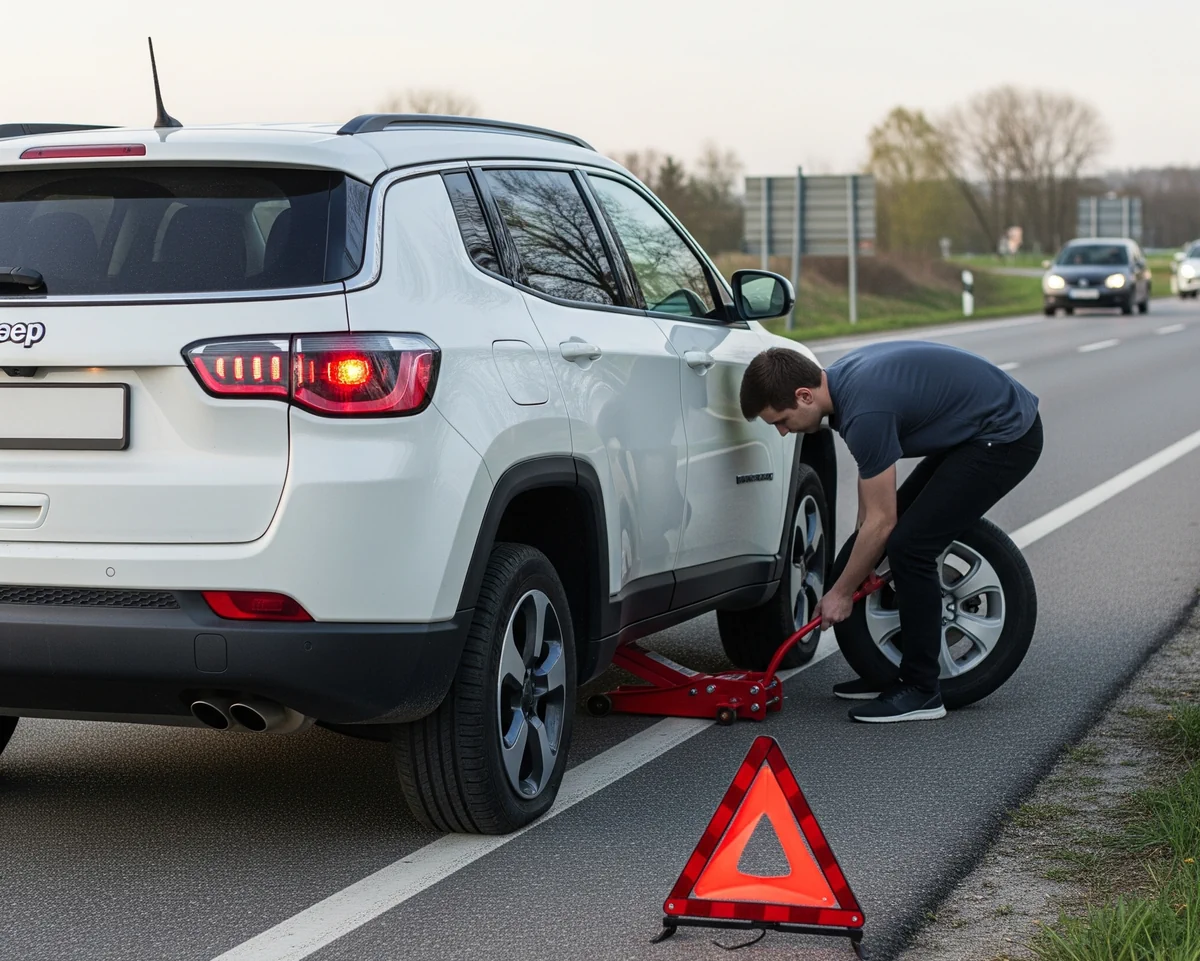
Remove the flat tire and install the spare
Fully unscrew and remove the lug nuts, then take off the flat tire. Line up the spare tire with the wheel bolts and slide it into place.
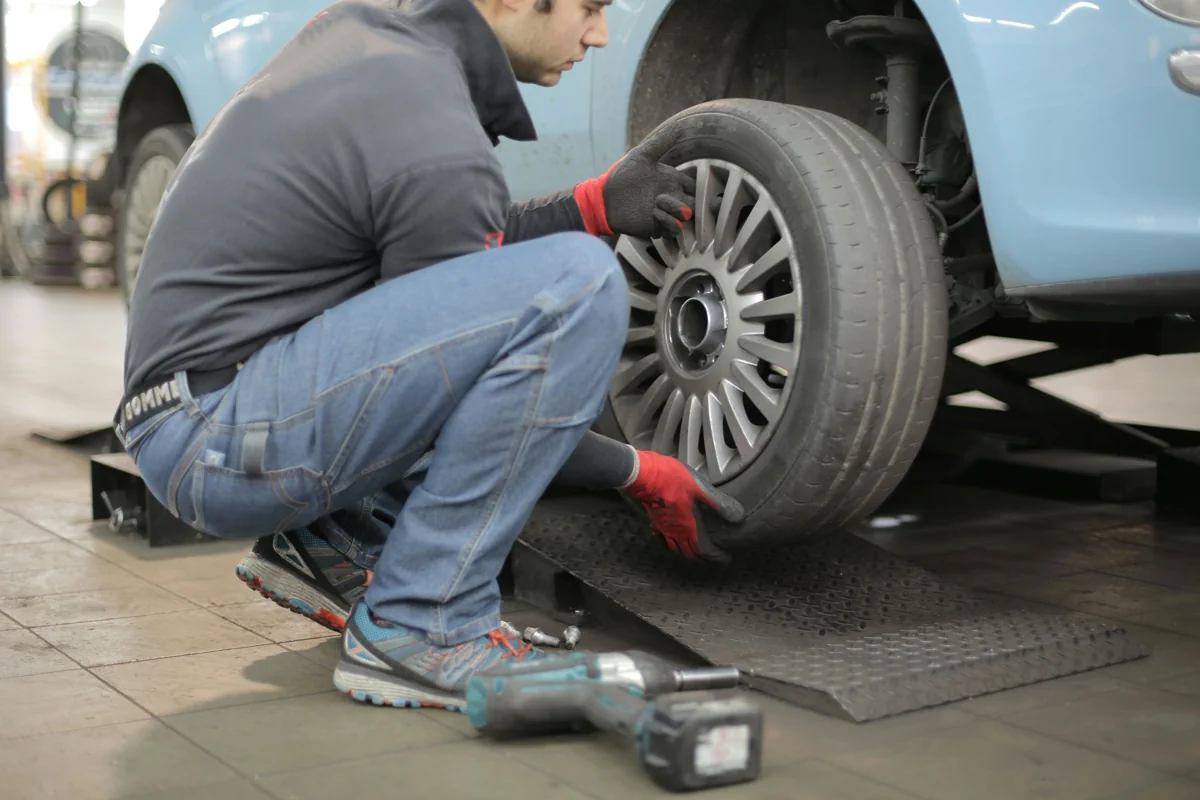
Lower the car and tighten the lug nuts
Lower the vehicle slowly back to the ground. Once it’s fully resting, tighten the lug nuts firmly in a crisscross (star) pattern for even pressure.
Nutrition is structured to reduce the foods that create the greatest glucose load and support a lower-insulin metabolic environment. This is where ketogenic nutrition becomes the foundation.
As carbohydrate availability falls and insulin levels spend more time lower, the body increasingly relies on fatty acids and ketone bodies for energy.
Insulin helps glucose enter cells, where it can be used for energy or stored for later.
Glucose can be stored as glycogen, particularly in the liver and muscles. When carbohydrate exceeds immediate energy needs and glycogen-storage capacity, excess carbohydrate can be converted to triglycerides and stored as fat.
